
Termite Treatment in North County San Diego: Safety Tips for Families, Pets, and Property Owners
Finding termites in your home can be stressful. For many homeowners, the next concern is whether treatment will affect children, pets, or daily routines.
Today’s termite control methods offer more options than ever before. Depending on the type of termite infestation and the condition of the property, treatment may range from targeted applications to whole-structure solutions. Understanding how these methods work—and what precautions are required—can help you protect your home with confidence.
What Types of Termites Affect Homes in North County San Diego?
The two most common termite species in the region are drywood termites and subterranean termites.
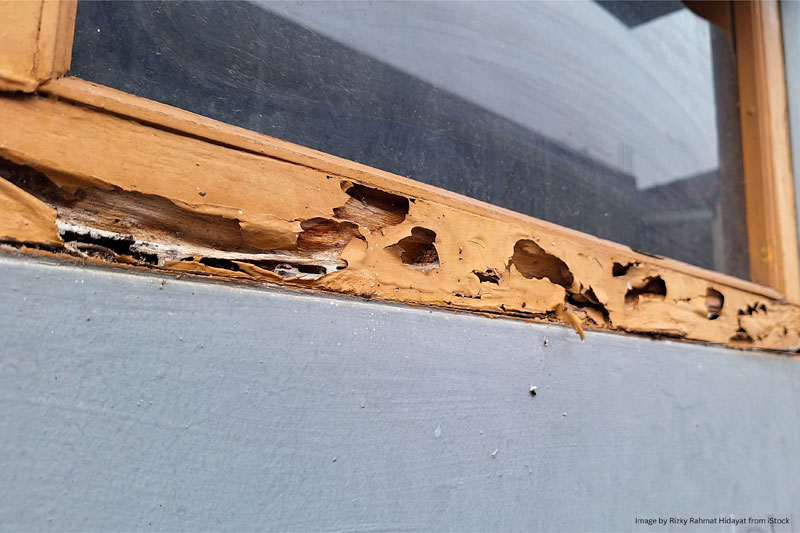
Drywood termites live directly inside wood. They are often found in attics, eaves, fascia boards, window frames, and other structural components. Because they do not need contact with soil, infestations can develop in isolated areas of a home.
Subterranean termites operate differently. Their colonies live underground, and workers travel to structures through mud tubes. These termites can cause extensive damage because large colonies may remain active for years before being discovered.
Understanding subterranean vs drywood termites is the first step in choosing the right treatment strategy. A method that works well for one species may not be effective for the other.
Do Families and Pets Need to Leave During Termite Treatment?
The answer depends on the treatment being performed.
Many localized termite treatments involve applying products directly into affected wood, wall voids, or other targeted areas. In these situations, homeowners are often asked to avoid specific treatment zones while the application is completed.
Whole-structure fumigation involves a different process and typically requires residents, pets, and plants to leave the property for a designated period.
When discussing a safe termite treatment for families, the most important factor is following the instructions provided by your pest control professional. Re-entry times, preparation requirements, and safety recommendations vary based on the treatment selected.
Homeowners looking for a pet-safe termite treatment option should discuss household pets during the inspection process. This allows the technician to recommend an approach that fits both the infestation and the household’s needs.
When Is an Alternative to Fumigation Treatment an Option?
Not every termite infestation requires fumigation.
In some cases, an alternative to fumigation treatments may provide effective control while reducing disruption to the household.
Potential options include:
- Localized wood treatments
- Injection or foam applications
- Spot treatments in active infestation areas
- Soil treatments for subterranean termites
- Monitoring and baiting systems
- Orange-oil treatments
These methods are often considered when termite activity is limited to specific areas or when inspection findings support a targeted approach.
The key is accurate diagnosis. A thorough inspection determines the extent of termite activity and whether localized treatment can adequately address the problem.
How Should Homeowners Prepare for Treatment?
Preparation varies by treatment type, but most appointments require a few simple steps.
Homeowners may be asked to:
- Clear access to affected areas
- Move storage items away from the walls
- Trim vegetation near foundation areas
- Secure pets during service visits
- Follow any treatment-specific instructions provided beforehand
Completing these steps helps technicians access infestation sites efficiently and ensures the treatment is applied as intended.
If any preparation requirements are unclear, ask questions before the appointment. Clear communication helps avoid delays and unexpected issues.
What Happens After Termite Treatment?
Once treatment is complete, the focus shifts to monitoring and prevention.
Your technician may recommend follow-up inspections to confirm treatment success and identify any new termite activity. These visits are especially valuable in areas where termite pressure remains high throughout the year.
Homeowners should also avoid disturbing treated areas unless advised otherwise. Moving, sanding, or removing treated materials too soon can interfere with treatment performance.
Long-term termite protection depends on a combination of effective treatment, routine inspections, and prompt attention to any signs of renewed activity.
Frequently Asked Questions
Is termite treatment safe for children?
Most professional termite treatments can be performed safely when application instructions and re-entry guidelines are followed. Your technician will explain any precautions specific to the treatment being used.
Is termite treatment safe for pets?
Many termite treatments can be completed with minimal disruption to pets. Temporary restrictions may apply depending on the treatment method and treatment location.
What is the difference between drywood and subterranean termites?
Drywood termites live inside wood structures. Subterranean termites live in soil and travel into buildings through mud tubes.
Can localized treatments replace fumigation?
Sometimes. If termite activity is limited and inspection findings support a targeted approach, localized treatment may be a practical alternative.
How long does termite treatment take?
Treatment length varies based on the infestation, property size, and treatment method. Some localized treatments can be completed in a single visit.
Do I still need inspections after treatment?
Yes. Regular inspections help detect new activity early and support ongoing termite protection.
Choosing the Right Termite Treatment for Your Property
Selecting the best termite treatment in North County starts with a professional inspection. The right solution depends on the termite species, the extent of activity, and the property’s construction. Understanding your options makes it easier to protect your investment while keeping your family and pets safe.
United Termite Control is prepared to review all the options with you, starting with a free inspection. Contact us today to schedule your treatment and protect your home.