
Termite Treatment and Repair in San Diego, CA: Why Skipping Repairs Costs You More
Many North County homeowners focus on one thing when termites show up: getting rid of them. That makes sense, but stopping there is where problems begin. Termite treatment and repair should always be handled together. Ignoring the repair side often leads to higher costs, hidden structural issues, and repeat work down the line.
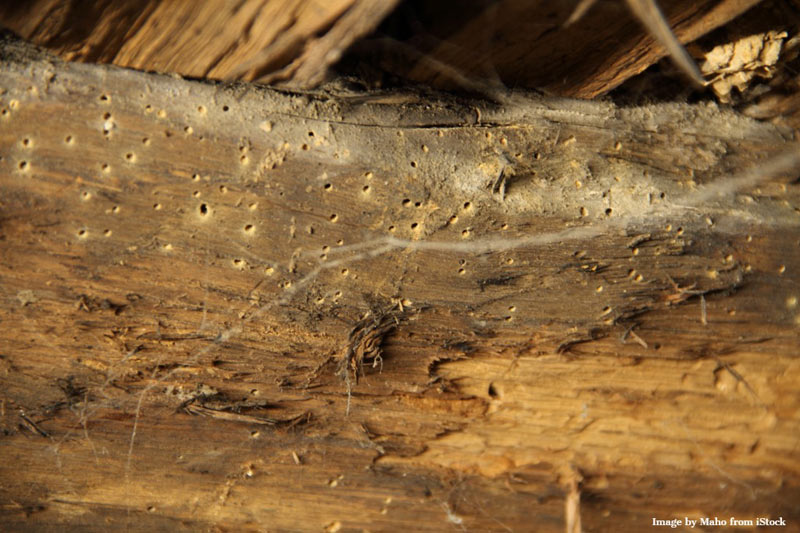
Termites don’t just live in wood. They change it. Once that damage is there, it doesn’t go away when the termites do.
Treating termites removes the cause but does not address the consequences
A proper treatment plan eliminates active colonies. That might involve localized applications, drywood termite removal, or broader control depending on the infestation.
But termite management and repair with United Termite goes further. We address what termites have already compromised. Wood that looks intact can be hollowed out. Trim may appear solid but break under pressure. Research from the University of Kentucky shows that termite damage often occurs inside wood, leaving the outer surface intact while the interior is compromised
Stopping termites without repairing the damage leaves weakened materials in place. Over time, those areas fail, and repairs become more extensive.
What untreated termite damage actually leads to
Damage rarely stays isolated. Once termites have compromised one section, nearby wood becomes easier to access.
In North County homes, that often turns into:
- Sagging or soft fascia boards
- Loose or cracked door and window frames
- Interior trim that separates or breaks
- Subtle structural weakening in framing or subfloor areas
These issues don’t always show up right away. That’s why delaying repair after termite applications and repair in North County often results in larger, more expensive fixes later.
Why timing makes a difference in repair costs
Termites cause billions of dollars in property damage each year in the U.S., making early treatment and repair far more cost-effective than delayed action.
Small repairs stay small only if handled early. Once damage spreads, contractors may need to remove larger sections of wood, match materials, and rebuild surrounding areas.
For property managers and landlords, delayed repairs can complicate tenant turnover or inspection timelines. For homeowners, it can affect resale value or trigger additional maintenance issues.
A combined plan for termite inspection services, treatment, and termite damage repair keeps everything contained. You know what’s affected, what needs attention now, and what can be monitored.
What a complete termite service should include
Not all pest control companies handle repairs. That gap is where costs often increase later. A complete approach to termite treatment and repair in should include:
Detailed inspection
A technician identifies active termites, damaged wood, and areas at risk. This step determines the scope of both treatment and repair.
Targeted treatment
The method depends on the infestation type. That can involve drywood termite removal or localized control.
Wood repair and replacement
Damaged sections are repaired or replaced so the structure is restored, not left compromised.
At United Termite, we handle all three steps, reducing guesswork and avoiding scheduling multiple contractors for related work.
You can learn more about available services at United Termite Control or explore our approach to termite inspection and repair.
Signs you should not ignore
Some termite issues are obvious. Others are easy to overlook until repairs become unavoidable.
Schedule an inspection if you notice:
- Discarded wings near windows or doors
- Small piles of frass (termite droppings)
- Bubbling or uneven paint on wood surfaces
- Hollow-sounding trim or baseboards
- Cracks are forming along wood joints
Catching these early makes termite management and repair in North County more manageable and less disruptive.
The practical takeaway
Termite treatment stops the activity. Repair protects the property.
Handling only one side of the problem leads to repeated costs, hidden deterioration, and more complex repairs later. Addressing both at the same time keeps the issue contained and predictable.
For North County San Diego properties, the most efficient path is clear: inspect early, treat thoroughly, and repair what termites have already damaged.
FAQs
Why is termite repair necessary after treatment?
Because treatment eliminates termites, but damaged wood remains weakened and can fail over time.
Can termite damage spread after treatment?
The infestation stops, but existing damage can worsen if the wood is not repaired.
Is termite damage always visible?
No. Much of it is internal, which is why inspections are essential.
How soon should repairs be done after treatment?
As soon as possible—delays increase the chance of larger structural issues.
Do all pest control companies offer repairs?
No. Some only handle treatment, which is why it’s important to confirm both services upfront.
Conclusion
If you only eliminate termites, you are leaving part of the problem behind. The damage they caused does not stabilize or improve on its own—it continues to affect the strength, appearance, and value of your property. A complete approach to termite treatment and repair in San Diego, CA, ensures that both the source of the issue and its impact are handled at the same time. For North County homeowners and property managers, that means fewer surprises, more predictable costs, and a property that is truly restored—not just treated.