
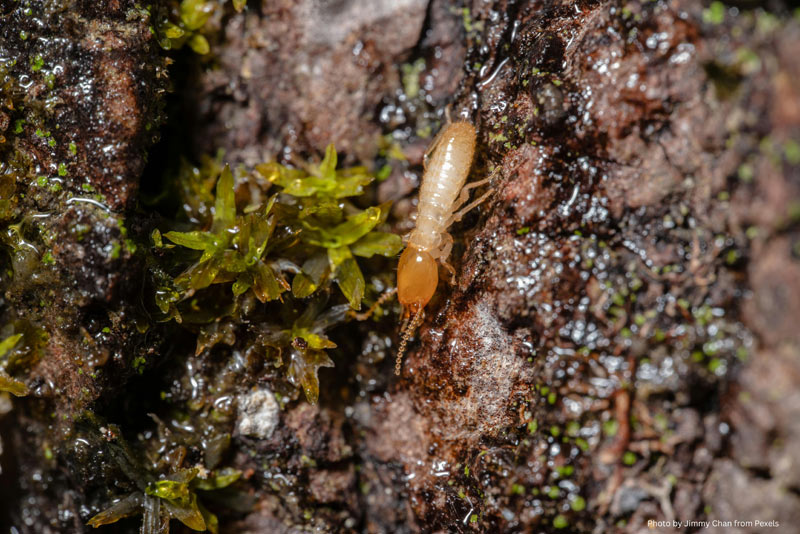
How to Tell If You Have Termites Before Damage Gets Worse
Figuring out how to tell if you have termites often comes down to noticing small changes before they turn into serious structural problems. Homeowners and property managers in San Marcos and North County San Diego face a common challenge: termites work quietly, and by the time damage is obvious, repairs can be costly. Recognizing early warning signs gives you a chance to act before the problem spreads.
How to tell if you have termites: clear warning signs to watch for
You do not need to see live termites to confirm a problem. In most cases, the evidence they leave behind is easier to spot than the insects themselves.
Look for mud tubes running along foundations or walls, especially in shaded or damp areas. Indoors, pay attention to bubbling paint, warped trim, or wood that sounds hollow when tapped. Another common clue is a pile of discarded wings near windowsills or entry points, often left behind after a swarm.
These are some of the most reliable signs of termite infestation, and they tend to appear before major structural damage becomes visible. You can also compare these indicators with this termite identification resource for additional confirmation.
Where termite damage shows up first
Termites target wood, but not all areas of a property are equally vulnerable. The most common trouble spots are places where moisture and wood meet.
Start outside. Check fence posts, deck supports, and areas where soil touches wood siding. Move indoors next. Focus on baseboards, window frames, cabinets, and attic beams. Subtle changes, such as a door that no longer closes smoothly or trim that feels soft, can indicate early termite damage.
Unlike surface wear, termite damage often follows the grain of the wood. That pattern can help distinguish it from water damage or general aging.
What early termite damage actually looks like
Early-stage damage rarely looks dramatic. Instead, it shows up as gradual deterioration. For a deeper breakdown of termite behavior and identification, refer to this entomology guide on termites.
You might notice:
- Fine cracks along painted surfaces
- Slight bulging in walls or wood trim
- Small exit holes in wood
- A faint rustling or clicking sound inside the walls
- Areas where wood feels thin or breaks easily
They may seem minor on their own, but together they can be cause for greater concern.
What to do once you notice signs
If something looks off, avoid quick fixes. Spraying store-bought products or tearing into damaged wood can make the problem harder to manage by spreading the colony.
Instead, document what you see and arrange for a professional inspection. A trained technician can confirm whether the infestation is active and recommend the right approach.
If you are researching how to get rid of termites, keep in mind that treatment varies depending on whether the infestation involves drywood or subterranean termites. The structure of the property and the extent of damage also influence the solution.
Why termite issues are common in San Marcos and North County San Diego
Local conditions play a role. Many homes in this area include crawl spaces, attic framing, and exterior wood features that can conceal termite activity. Mild temperatures also allow termites to remain active for longer periods throughout the year. In this region, subterranean termites are especially common due to soil conditions and moisture levels.
Because of this, routine inspections are not just preventative—they are often the only way to detect hidden infestations early.
Practical prevention steps that make a difference
Once you understand how to tell if you have termites, the next step is reducing the chances of another infestation.
Focus on controlling moisture. Repair leaks, improve drainage, and keep irrigation systems from soaking the foundation. Store firewood and debris away from the home, and avoid direct wood-to-soil contact whenever possible.
Regular inspections remain one of the most effective long-term strategies, especially for properties with a history of termite activity.
FAQs
What are the earliest signs of termite activity?
Discarded wings, mud tubes, and hollow-sounding wood are often the first noticeable indicators.
Can termites damage a home without being seen?
Yes. Termites frequently remain hidden inside walls, attics, or crawl spaces while continuing to cause damage.
How quickly can termite damage spread?
Damage can progress steadily over time. Without intervention, structural components may weaken significantly.
How do professionals confirm an infestation?
They inspect high-risk areas, identify termite type, and look for active colonies, damage patterns, and entry points.
Is termite damage reversible?
The infestation can be treated, but damaged wood may need repair or replacement depending on the severity.
Next steps
Knowing how to tell if you have termites puts you in a better position to protect your property. Watch for early signs, inspect vulnerable areas, and act quickly if something does not look right. Early action can prevent minor issues from turning into major repairs.