
Common Areas in San Diego Homes at Risk for Termites
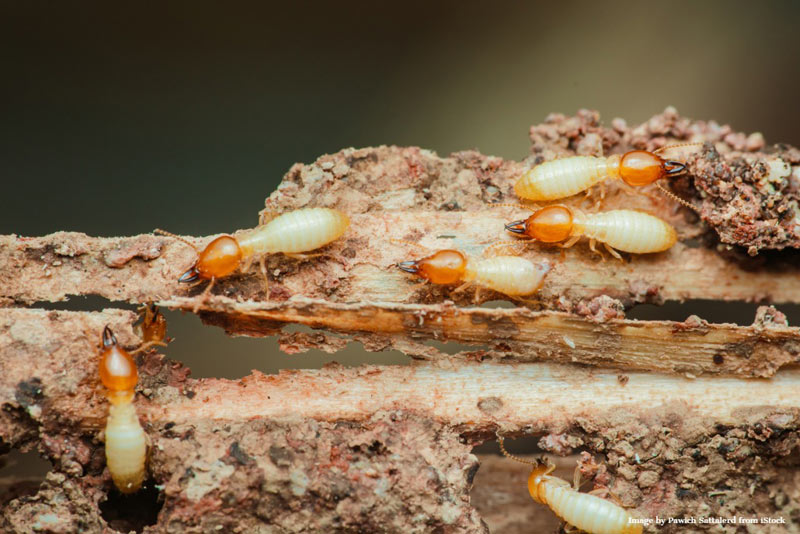
Termites are quiet destroyers. They don’t invade your kitchen or make noise in the walls. Instead, they work quietly, feeding on the wood that holds your home together. By the time a lot of homeowners discover there’s a problem, the damage is already done.
In San Diego, termites are not a seasonal issue. The mild climate allows them to stay active most of the year, which means homes are constantly at risk. Knowing where termites are most likely to settle can make the difference between a routine treatment and thousands of dollars in structural repairs.
Here are the most common sites in San Diego homes where termites are found, alongside what homeowners should check for and the importance of routine inspections.
Why Termites Are So Common in San Diego
San Diego weather is comfortable enough for people—and for termites. Subterranean termites live underground and travel through soil to reach wood, while drywood termites nest directly inside wooden structures. Both species are common in Southern California.
What makes termites especially dangerous is how long they can go unnoticed. They eat wood from the inside, leaving the surface intact. Walls can look fine. Floors may appear solid. Meanwhile, the support underneath is slowly weakening.
Because insurance policies usually do not cover termite damage, prevention and early detection are essential parts of protecting your investment.
Areas of the Home Most Vulnerable to Termites
Some parts of a home naturally attract termites more than others. Moisture, soil contact, and hidden wood create the perfect conditions for an infestation to start.
Crawl Spaces and Under-Floor Areas
Crawl spaces are one of the most common entry points for termites. These areas tend to stay cool, dark, and damp—exactly what termites prefer. Plumbing leaks, condensation, or poor drainage can keep moisture levels high without homeowners realizing it.
Once termites enter a crawl space, they have easy access to floor joists and structural beams. Because these areas are rarely visited, infestations can grow undetected for long periods of time.
Decks, Patios, and Exterior Wood
Wooden decks and patios often sit close to the ground or directly touch the soil. Long-term moisture exposure leads to cracking and soft spots that termites can take advantage of.
Deck posts, stairs, railings, and pergolas are common trouble spots. Termites may begin there and advance to the home’s main structure. Many homeowners think exterior damage is less serious, but it often becomes the gateway inside.
Roof Eaves, Fascia, and Gutters
Termites do not always start at ground level. If gutters are leaking or blocked, water accumulates, which softens wood and increases the risk. Because the roof areas are out of view, damage can take years to notice. By that point, attic framing and interior walls might already be impacted.
Foundation Edges and Landscaping
Landscaping and landscaping decisions can unintentionally invite termites. Mulch piled against the foundation, wooden planters, fences, or trellises can provide direct access from soil to structure. Small cracks in the foundation or holes around utility lines are sufficient for termites to move in. Once inside, they climb up the wall frames and floors, often without leaving obvious signs.
Interior Walls and Framing
Many termites can enter the home through small openings behind walls, usually in old houses. Electrical outlets, plumbing lines, and hairline cracks can also be access points.
Homeowners might notice subtle clues such as peeling paint, bubbling drywall, or wood that sounds hollow when tapped. These signs usually mean termites have been present for some time, not that the problem is just beginning.
Why Regular Termite Inspections Matter
To wait for visible damage is dangerous. By the time termites leave visible signs, repairs are often more comprehensive and costly.
A professional termite inspection looks at areas most homeowners never think to check. Inspectors know how to identify early warning signs, even when there is no visible damage yet.
Annual inspections are strongly recommended in San Diego, especially if:
- Your home is older or built primarily with wood framing
- You have had termites in the past
- Your property includes decks, patios, or extensive landscaping
- You are buying, selling, or refinancing
Termite inspections are frequently necessary in real estate transactions. Finding an issue too late in escrow can hold up closing or trigger expensive negotiations. Routine checks prevent those surprises.
Treatment Options When Termites Are Found
If termites are detected, acting quickly is critical. The longer they remain active, the more damage they cause.
Liquid Termite Treatments
Liquid treatments are applied to the soil around the home to create a protective barrier. When termites pass through it, they carry the treatment back to the colony. This approach is commonly used for subterranean termites and offers long-term protection.
Baiting Systems
Bait systems use strategically placed stations that attract termites away from the structure. The bait spreads through the colony over time, targeting the source of the problem rather than just surface activity. These systems are often used for ongoing monitoring and prevention.
Fumigation
For widespread drywood termite infestations, fumigation may be recommended. This process treats the entire structure and eliminates termites throughout the home. While effective, it is typically reserved for more severe cases.
After treatment, damaged wood may need to be repaired or replaced to restore strength and prevent future infestations.
Protecting Your Home Before Damage Becomes Serious
Termites do not slow down or disappear on their own. Each month of unchecked activity increases the risk of structural damage and higher repair costs.
Simple steps can reduce risk:
- Keep wood and mulch away from the foundation
- Fix moisture issues and drainage problems
- Maintain gutters and roof edges
- Schedule regular inspections
Catching termites early usually means less invasive treatment and lower overall cost.
Trusted San Diego Termite Control for Homeowners
Our San Diego termite control staff members are devoted to thorough and accurate inspections, clear explanations, and individual home-specific treatment plans. United Termite Control has extensive local experience and understands how termites behave in Southern California environments.
Homeowners appreciate our honest assessments, professional service, and pet-friendly alternatives to fumigation when appropriate.
Termite damage often starts quietly, but the consequences can be serious. If it has been more than a year since your last inspection—or if you have never had one—now is the time. Contact United Termite Control today to protect your home before termites cause damage you cannot see.