
4 Signs of Active Termites in Your San Diego Home
Termites can damage a home long before homeowners notice anything unusual. For property owners in North County San Diego, recognizing the signs of an active termite infestation can help prevent small problems from becoming expensive repairs. Knowing what to look for in your home or rental property can help you determine when to schedule a professional termite inspection.
A thorough termite inspection can identify signs of current activity, distinguish termite damage from other wood problems, and help determine whether treatment is necessary. Understanding the warning signs of a termite infestation is an important first step in protecting your property.
What Are the Most Common Signs of an Active Termite Infestation?
Termite activity is not always obvious. Some evidence appears on visible surfaces, while other signs remain hidden inside wood or behind walls. Knowing what to look for can help you recognize a potential termite infestation before significant damage occurs.
Mud Tubes That May Indicate Active Subterranean Termites
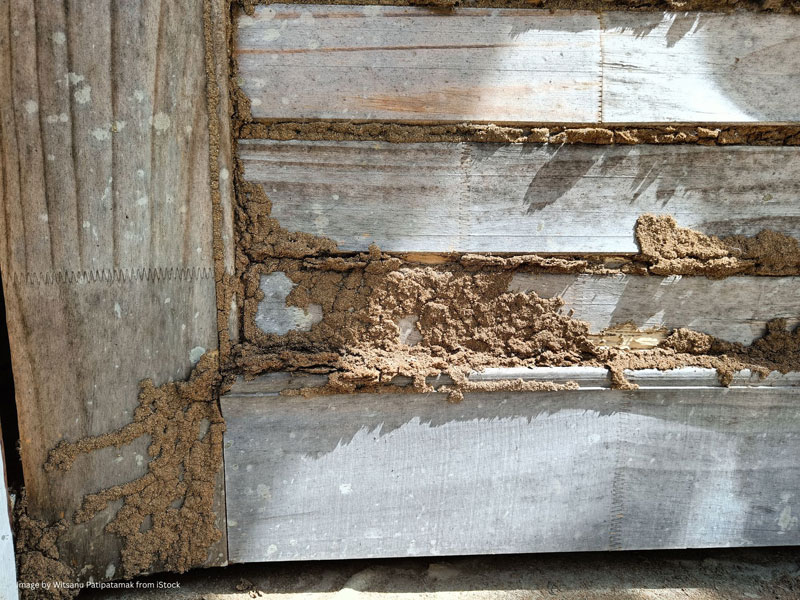
Subterranean termites build narrow, soil-colored tunnels to travel between their colonies and food sources while protecting themselves from dry air. These tubes may appear along foundation walls, in crawl spaces, or where concrete meets wooden structures.
A newly constructed or repaired tube may indicate ongoing termite activity. However, an old tube can remain long after termites have left, so its presence alone does not confirm an active infestation. During a termite inspection, a professional can examine these tunnels and look for additional evidence to determine whether termites may still be present.
Discarded Termite Wings and Swarmers
Termite swarmers are reproductive termites that leave established colonies to form new ones. After swarming, they shed their wings, which may accumulate near windowsills, doors, or other light sources.
Discarded wings suggest that swarmers have been present nearby, but they do not necessarily mean a termite infestation is established inside the home. A professional termite inspection can help investigate the source, particularly when discarded wings appear alongside other signs of wood damage.
Fresh Drywood Termite Droppings (Frass)
Drywood termites push their fecal pellets out of small openings in the wood they inhabit. These pellets often resemble tiny, hard grains of sand and may collect beneath window frames, wooden trim, furniture, or attic framing.
New accumulations can suggest ongoing termite activity, although old pellets may remain after an infestation has ended. Their appearance and location can help a termite professional determine whether drywood termites are responsible and whether further inspection is needed.
Hollow Wood, Blistering, and Termite Damage
Termites can consume wood internally, leaving a relatively thin outer layer that conceals damage. Affected areas may sound hollow when tapped, appear blistered, or feel unusually weak.
These symptoms are not exclusive to termites. Moisture damage, decay, and other wood-destroying organisms can cause similar changes. A professional termite inspection can help distinguish termite damage from other issues and determine whether a termite infestation may be responsible.
How to Tell if Termite Damage Is Active or Old
Warning sign | Possible current activity | Possible old evidence |
Live termites | Strong evidence of activity | No live termites observed |
Mud tubes | Newly built or repaired tubes | Dry, abandoned-looking tubes |
Drywood termite frass | New pellets repeatedly accumulating | Old pellets remaining in place |
Discarded wings | Recent swarming may have occurred | Wings from a previous swarm |
Wood damage | New deterioration may be occurring | Damage remaining from an earlier infestation |
These clues cannot reliably confirm that a colony has been eliminated or is still active. A professional termite inspection is needed to evaluate the evidence.
Finding evidence of termites does not automatically mean an infestation is ongoing. Old damage can remain visible for years, and abandoned termite galleries may persist long after a colony is gone.
The strongest evidence of current activity is finding live termites in an affected area. Other clues, such as newly repaired mud tubes or fresh accumulations of drywood termite pellets, can support that assessment but are not definitive on their own.
If you discover something suspicious, photograph it and note its location. Avoid applying pesticides or dismantling damaged wood before a termite inspection, as these actions can make it harder to assess the original evidence.
A qualified termite professional can examine accessible areas, identify the likely species, and determine whether an active termite infestation is present. Based on the findings, the inspector can recommend treatment or further investigation when appropriate.
Drywood vs. Subterranean Termites in San Diego
Homes throughout the San Diego area may be affected by different termite species. Understanding their behavior helps explain why a termite infestation can look different from one property to another.
Subterranean termites typically establish colonies in soil and access buildings through concealed pathways, cracks, or gaps. They often create visible shelter tubes but can also remain hidden within structural spaces. A termite inspection should consider both visible evidence and areas where termites may enter or travel unnoticed in order to provide the best subterranean termite treatment options.
Drywood termites live within the wood they consume and do not need contact with soil. Because their colonies can develop inside framing, trim, or furniture, a drywood termite infestation may go unnoticed until pellets or damage become visible.
Homeowners in Oceanside, Carlsbad, Vista, San Marcos, Escondido, and nearby communities should be aware that both types can affect residential properties. The appropriate drywood termite inspection and treatment approach depends on the species, the location of the infestation, and the extent of any damage.
Where to Look for Signs of Termites in Your Home
Termites often remain concealed, so checking a few accessible areas can help you spot problems early. These preliminary checks can help identify areas that may need closer attention during a professional termite inspection.
- Crawl spaces and foundations: Look for unusual changes along foundation walls and areas where wood approaches the ground.
- Windows and door frames: Examine wooden trim for soft spots, blistering, or unexplained deterioration.
- Attics and roof framing: Check accessible structural wood for damage or changes in appearance.
- Garages, decks, and fences: Inspect exposed wooden components, especially where they meet foundations or soil.
- Areas affected by leaks: Check around plumbing, poorly sealed windows, and other locations where moisture may have damaged wood.
A visual check can help identify potential warning signs, but it cannot rule out a termite infestation inside walls or other inaccessible parts of a home. Scheduling a professional termite inspection is the most reliable way to investigate suspicious evidence and assess areas that cannot be easily examined.
What to Do if You Find Signs of Active Termites
If you discover possible termite activity, take a few practical steps before deciding on treatment.
- Document the evidence. Take clear photographs and note where you found the suspected termite activity.
- Avoid disturbing the affected area. Leave the evidence intact where practical so a termite inspector can evaluate it.
- Address obvious moisture problems. Repair leaks and investigate persistent dampness that could contribute to wood deterioration.
- Arrange a professional termite inspection. An experienced termite professional can assess the evidence, identify the likely pest, and recommend appropriate next steps.
Treatment varies according to the termite species, the extent of the infestation, and the areas affected. Some situations may call for localized treatment, while others require a broader approach. A professional termite inspection helps determine which option is appropriate for the property.
Early evaluation can also help homeowners understand whether visible damage indicates an active termite infestation or evidence of an older problem that needs further assessment.
Frequently Asked Questions About Termite Inspections and Infestations
Can termites be active without visible damage?
Yes. Termites can feed inside wood or concealed structural spaces for extended periods before noticeable damage appears. A professional termite inspection may identify concerns that are not apparent during routine household maintenance.
Does finding termite evidence mean my home needs treatment?
Not necessarily. Evidence may be old, and some signs can have causes unrelated to termites. A termite inspection can help establish whether activity is ongoing, identify the likely cause, and determine whether treatment is warranted.
How quickly can termites damage a house?
The rate of damage depends on the species, colony size, environmental conditions, the amount of accessible wood, and how long the termite infestation remains undetected. There is no single timeline that applies to every property, which is one reason investigating suspicious signs early is important.
Should I treat termites myself?
Professional identification is recommended before treatment because different termite species require different control methods. Household pesticides may not reach concealed colonies or resolve the underlying infestation. A professional termite inspection can help identify the pest and guide an appropriate treatment plan.
When should I schedule a termite inspection?
Consider scheduling a termite inspection when you discover suspicious evidence, notice unexplained wood deterioration, or need to assess a property before purchasing it. An inspection may also be appropriate when you want to investigate previous termite damage or determine whether signs of an earlier infestation indicate current activity.
A professional evaluation can help clarify the condition of the home, identify potential termite entry points, and determine appropriate next steps.
Suspect Active Termites? Schedule a Free Termite Inspection in San Diego
Finding termite droppings, mud tubes, discarded wings, or damaged wood can be concerning, but these signs don’t always confirm an active infestation.
United Termite Control provides professional termite inspections throughout San Diego County, including San Marcos, Carlsbad, Oceanside, Vista, and Escondido. Our team can help identify termite activity, assess potential damage, and recommend the appropriate next steps for your home.