
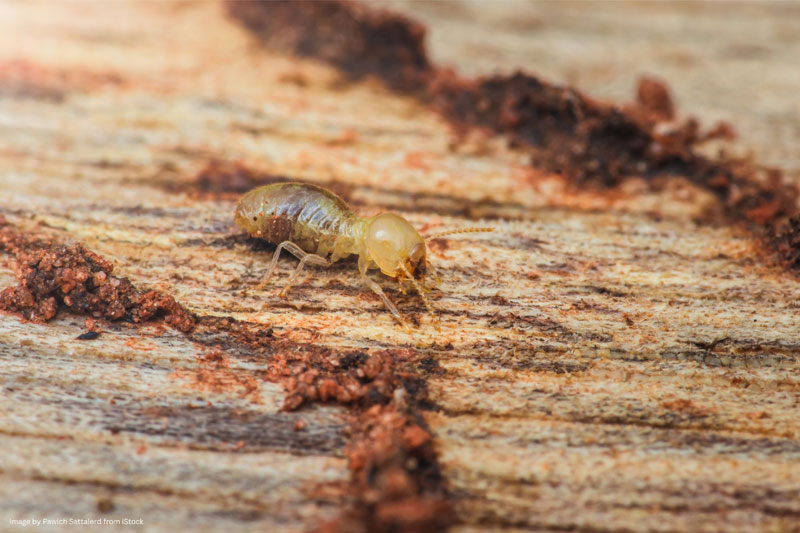
Drywood Termite Treatment in San Diego: Signs, Options & When to Call a Pro
Drywood termite treatment in San Diego starts with identifying the signs of an infestation and understanding which treatment options are appropriate for your property. Unlike subterranean termites, drywood termites live inside wooden structures, often remaining hidden until homeowners notice termite droppings (frass), discarded wings, or damaged wood.
Whether you’re dealing with a localized infestation or termites affecting multiple areas of your home, a professional inspection can help determine the extent of the problem. In this guide, United Termite Control explains the warning signs of drywood termites, available treatment options, and when to call a termite professional in San Diego.
What Are the Signs of Drywood Termites in San Diego?
One of the most recognizable signs is the presence of small piles of fecal pellets, commonly called frass. Drywood termites push these hard pellets out of small openings in infested wood, where they may accumulate on floors, windowsills, or other surfaces below.
Other signs can include:
- Discarded wings near windows, doors, or other light sources
- Flying termites, also called swarmers
- Small kick-out holes in wood
- Damaged, weakened, or hollow-sounding wood
- Frass accumulating beneath suspected areas of activity
Drywood termites do not need regular contact with soil. Colonies can develop inside framing, trim, flooring, door frames, window components, and other wooden parts of a structure.
Visible evidence does not always show the full extent of an infestation. A single pile of frass, for example, may indicate activity somewhere inside the wood above it. An inspection can help determine whether the evidence is consistent with termites and whether additional areas should be examined.
What to Expect During a Professional Drywood Termite Inspection
A drywood termite inspection focuses on identifying the termite species, locating evidence of activity, and assessing accessible areas for damage.
An inspector may look for frass, discarded wings, swarmers, kick-out holes, damaged wood, and other conditions associated with termite activity. The inspection can also help determine whether the problem appears localized or whether additional areas of the structure may need attention.
Correct identification matters because drywood and subterranean termites behave differently.
Drywood termites establish colonies within wood and do not require soil contact. Subterranean termites typically live in soil and enter structures from below or through other soil-to-structure pathways. Because their behavior is different, treatment methods can also differ.
United Termite Control provides termite inspections and treatment services for both drywood and subterranean termites throughout San Diego County.
Drywood Termite Treatment Options in San Diego
The appropriate treatment depends on where the termites are located, how much of the structure is affected, and whether the infested areas can be reliably identified.
Localized Drywood Termite Treatment Without Tenting
Localized treatment focuses on identified areas of termite activity. Depending on the inspection findings and construction of the property, treatment may be applied directly to affected wood or into areas where termites are located.
United Termite Control offers localized drywood termite treatments, including foam applications and orange oil treatment which allows us to provide termite treatment without tenting your home. The company also offers fumigation when appropriate.
Localized treatment can be useful when the affected areas can be identified with reasonable confidence. The limitation is that concealed colonies may be difficult to locate from surface evidence alone.
Whole-Structure Fumigation for Drywood Termites
Whole-structure treatment is intended to address termite activity throughout a building rather than focusing only on individually identified areas. Fumigation is one example of this type of treatment.
Whether fumigation or localized treatment is appropriate depends on the inspection findings and the distribution of termite activity. There is no single treatment that is right for every drywood termite infestation.
For that reason, treatment should be based on the termite species, location of activity, accessibility of affected areas, and apparent extent of the infestation.
When to Call a Drywood Termite Exterminator in San Diego
You do not need to wait until structural damage becomes obvious.
If you find frass, discarded wings, swarmers, kick-out holes, or unexplained wood damage, scheduling an inspection can help determine what is causing the evidence and whether additional areas need to be examined.
This is particularly important with these types of termites because colonies remain inside the wood. Surface evidence may reveal that termites are present without showing exactly where the colony is located.
For landlords and property managers, an inspection can also provide a clearer picture of the property’s condition and help determine whether treatment, additional investigation, or wood repairs should be considered.
How to Help Prevent Drywood Termites in Your Home
There is no way to guarantee that a property will remain free of termites, but regular maintenance and attention to potential entry points can reduce opportunities for infestation.
Property owners can:
- Maintain exterior wood and repair deteriorated areas
- Address damaged or exposed wood
- Seal openings and other potential access points where practical
- Pay attention to discarded wings or frass around the property
- Schedule professional inspections when suspicious evidence appears
Because drywood termites can remain concealed, prevention also depends on recognizing signs early rather than relying only on what is visible in living areas.
Drywood Termite Treatment in San Diego: What to Do Next
If you discover frass, discarded wings, suspicious holes, or unexplained wood damage, start by having the evidence evaluated.
Rather than assuming that a visible sign represents the entire infestation, an inspection can help identify the termite species, locate accessible evidence of activity, and determine whether localized treatment or a broader approach should be considered.
The right drywood termite treatment in San Diego depends on what is actually happening inside the structure. Identifying the problem first allows the treatment approach to be matched to the location and extent of the activity.
Frequently Asked Questions
What do drywood termite droppings look like?
Drywood termite droppings, called frass, are small, hard pellets. They may collect beneath infested wood or near the small openings termites use to eject them.
Do drywood termites need soil to survive?
No. Drywood termites can establish colonies inside wood without maintaining contact with soil.
Does finding termite frass mean termites are still active?
Not necessarily. Frass is evidence associated with drywood termite activity, but pellets alone do not establish whether a colony is currently active or show the full extent of an infestation.
Can termites be treated without tenting?
Some infestations may be candidates for localized treatment. Whether that approach is appropriate depends on where the termites are located, how extensive the activity appears to be, and whether the affected areas can be reliably identified.
When should I schedule a termite inspection in San Diego?
Consider scheduling an inspection when you notice frass, discarded wings, swarmers, kick-out holes, or unexplained wood damage. An inspection can help identify the termite species and determine the appropriate next step.
Why is professional drywood termite control useful?
Drywood termites live inside wood, where colonies can be difficult to locate from surface evidence alone. A professional inspection can help identify the species, evaluate visible evidence, assess accessible areas for damage, and determine what treatment options may be appropriate.
Schedule a Drywood Termite Inspection in San Diego
Noticing termite droppings, discarded wings, or unexplained wood damage? United Termite Control provides professional drywood termite inspections and treatment services throughout San Diego County.
Our team can evaluate signs of termite activity, identify potential problem areas, and recommend treatment options based on your property’s needs.