
How Often Should You Schedule a Termite Inspection in San Diego?
Termites rarely make themselves known until they’ve already caused damage. By the time you notice hollow wood, peeling paint, or a swarm of winged insects, a colony may have been feeding inside your home for months—or even years.
That’s why termite inspections are an essential part of home maintenance in North County San Diego. Our mild climate allows termites to remain active throughout the year, giving them plenty of opportunities to invade homes without obvious warning signs. Whether you own your home, manage rental properties, or are preparing for a real estate transaction, understanding when to schedule an inspection can help you avoid expensive structural repairs and unexpected surprises.
How Often Should You Schedule Termite Inspections?
For most North County San Diego homes, a professional inspection every year provides reliable protection. Annual inspections give trained inspectors the opportunity to identify termite activity before colonies have time to spread throughout the structure.
Some properties, however, face a higher level of risk and may benefit from inspections every six to twelve months. More frequent evaluations are often recommended if your home:
- Has experienced termite activity in the past
- Contains older wood framing or construction
- Is surrounded by mature trees or dense landscaping
- Has irrigation systems or drainage issues that create excess moisture
- Is a rental property with changing occupants
- Has undergone additions or renovations that expose untreated wood
Rather than waiting for visible damage, routine inspections help establish a proactive maintenance schedule based on your property’s specific conditions.
Why North County San Diego Homes Are Especially Vulnerable
Living in Southern California comes with many advantages, but the climate is also ideal for termites. Unlike in colder regions, where termite activity slows during the winter, local colonies remain active nearly every month of the year.
North County homeowners commonly encounter two types of termites:
- Drywood termites, which nest directly inside exposed wood without needing contact with the soil.
- Subterranean termites, which build underground colonies and travel through protective mud tubes to reach a home’s wooden structure.
Several conditions make a property more attractive to termites, including wood fencing, raised planters, aging decks, excessive moisture around the foundation, and landscaping that sits too close to exterior walls. Even newer homes are not immune if these conditions exist.
What Happens During a Professional Termite Inspection?
A professional termite inspection in San Diego involves much more than a quick walk around the property.
Inspectors carefully evaluate both accessible interior and exterior areas for evidence of termite activity, moisture problems, and conditions that could invite future infestations. Depending on the property’s layout, an inspection may include:
- Foundations and exterior walls
- Crawl spaces and subfloors
- Attics and roof framing
- Garages and utility rooms
- Window and door frames
- Decks, patios, fences, and other wooden structures
- Areas with plumbing or drainage concerns
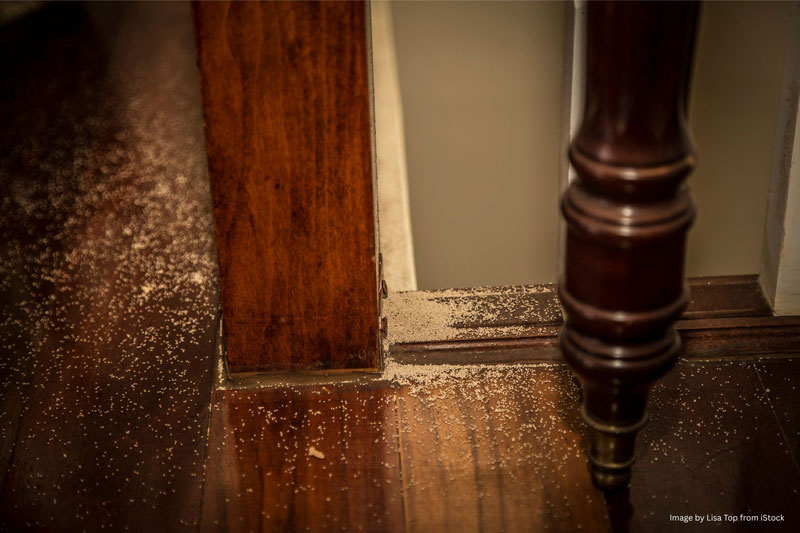
Instead of focusing only on active termites, inspectors also look for damaged wood, discarded wings, mud tubes, frass (termite droppings), and moisture issues that increase the likelihood of future infestations.
After the inspection, you’ll receive recommendations based on the property’s condition, allowing you to address small concerns before they become major repairs.
Why Waiting for Visible Damage Can Be Costly
One of the biggest misconceptions about termites is that you’ll know they’re there. In reality, these insects spend most of their lives hidden behind drywall, beneath flooring, or inside structural lumber.
When homeowners finally notice symptoms such as warped trim, bubbling paint, or wood that sounds hollow, termites may have already compromised important structural components.
Professional inspections are designed to identify subtle warning signs long before they become obvious. Early detection often means less extensive treatment, fewer repairs, and significantly lower costs.
If you notice any of the following, it’s wise to schedule an inspection promptly:
- Swarms of winged termites indoors or around windows
- Mud tubes along the foundation
- Hollow-sounding wood
- Tight-fitting doors or windows caused by damaged framing
- Small piles of termite droppings near wooden surfaces
- Cracked or blistering paint without an apparent moisture source
Although these signs don’t always confirm termite activity, they do warrant a professional evaluation.
Situations That Call for an Additional Inspection
Even if you maintain an annual inspection schedule, certain events justify scheduling another visit.
An extra inspection is a smart precaution when:
- Buying a home
- Selling your property
- Completing a room addition or major renovation
- Discovering termites in neighboring homes
- Repairing significant plumbing leaks
- Experiencing flooding or prolonged moisture issues
Real estate professionals also frequently recommend inspections before transactions to help buyers and sellers identify potential issues before closing.
Simple Steps That Support Termite Prevention
Routine inspections are one of the most effective forms of termite prevention, but they work best alongside good property maintenance.
Homeowners can reduce their risk by:
- Keeping firewood and lumber away from the home’s exterior
- Trimming shrubs and vegetation that touch siding
- Repairing plumbing leaks promptly
- Improving drainage around the foundation
- Reducing wood-to-soil contact wherever possible
- Addressing moisture problems in crawl spaces and attics
These preventive measures won’t eliminate termites entirely, but they make your home less inviting while allowing inspections to catch problems before serious damage develops.
Protect Your Home with Regular Termite Inspections
Termites don’t wait until it’s convenient to invade a home. Because they remain active throughout the year in North County San Diego, routine termite inspections are one of the most practical ways to safeguard your property.
Scheduling regular inspections helps uncover hidden activity early, reduces the likelihood of expensive structural repairs, and provides confidence that your home is being monitored by experienced professionals. Whether you’re maintaining your current home, preparing to sell, or purchasing a new property, staying ahead of termite activity is far less costly than repairing the damage it can leave behind.
Frequently Asked Questions
How often should I schedule termite inspections?
Most homes in North County San Diego should be professionally inspected once a year. Homes with previous infestations, moisture issues, or other risk factors may benefit from inspections every six months.
Can termites damage a newer home?
Yes. While older homes often have more vulnerable wood, termites are attracted to suitable conditions rather than the age of the structure. Any home can become infested.
What time of year is best for a termite inspection?
Because termites remain active year-round in San Diego’s mild climate, there’s no single “best” season. Maintaining a consistent annual schedule is more important than the month you choose.
Is a termite inspection necessary if I don’t see any signs of termites?
Absolutely. Most infestations begin out of sight, and professional inspections are designed to detect hidden activity before visible damage appears.
How long does a professional termite inspection take?
Inspection times vary depending on the size and accessibility of the property, but most residential inspections can be completed in about one to two hours.