Termite Control: Drywood vs Subterranean Termites
Effective termite treatment in San Diego begins with one critical step: a thorough inspection to identify the termite species present. Without accurate identification, property owners risk selecting the wrong treatment method, which can lead to recurring infestations and unnecessary costs.
Across San Diego County, both drywood and subterranean termites are prevalent, and each requires a distinct control strategy
Why termite inspection and identification matter
A thorough evaluation is the foundation of effective termite management. Drywood termites live inside the wood they consume, often remaining hidden for long periods. Subterranean termites, by contrast, live in the soil and depend on moisture, traveling into structures through mud tubes.
Because their biology and behavior differ significantly, treatment methods must be tailored. A professional inspection determines the species, the extent of structural damage, and the most effective treatment path
Signs you may need termite control in San Diego, CA
A detailed inspection looks for specific indicators tied to each type of termite.
Drywood termites often leave behind frass, which looks like small wood-colored pellets. Other signs include kick-out holes, hollow wood, and discarded wings near windows or light sources. These termites are typically found in attics, fascia boards, and exposed wood areas.
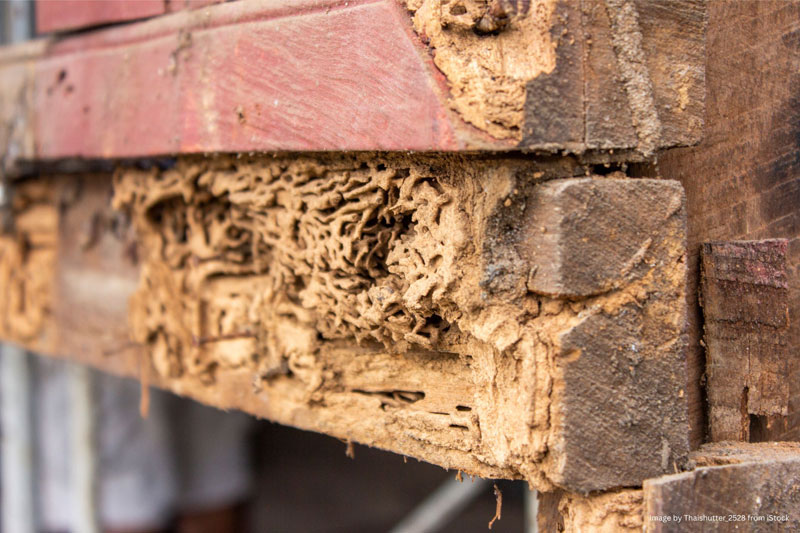
Subterranean termites create mud tubes along foundations, walls, or crawl spaces. These tubes protect them as they move between soil and wood. Wood damaged by these termites may appear soft or blistered and is often located near ground level or moisture-prone areas.
Termite control methods
Termite treatment for drywood termites often depends on how widespread the infestation is. A termite evaluation may reveal that localized treatment is sufficient when colonies are isolated. However, if the termites are dispersed throughout the structure, termite fumigation services may be recommended.
Subterranean termites require a different approach. Because they originate in the soil, treatment typically involves creating a barrier between the soil and the structure. This may include soil treatments, moisture control recommendations, and addressing wood-to-ground contact.
Choosing the correct removal method without a termite inspection can lead to incomplete treatment and recurring infestations.
When termite fumigation is recommended
Termite fumigation is most often used for drywood termites when infestations are widespread or inaccessible. During an inspection, professionals assess whether they are limited to one area or spread throughout the structure.
It’s important to understand that termite fumigation does not treat subterranean termites. Since they live in the soil, they require a separate strategy focused on soil treatment and structural prevention.
What a professional termite inspection includes
A professional inspection is designed to identify both types of termites, along with the conditions that support them.
Inspectors evaluate attic spaces, crawl spaces, structural wood, exterior siding, foundation lines, and moisture-prone areas. They look for frass, mud tubes, wood damage, and environmental risk factors that may lead to future infestations.
For real estate transactions, a termite assessment helps determine whether termite activity is active or past, and whether termite control or repairs are necessary before closing.
Why local termite control experience matters
Termite treatment in San Diego, CA, requires an understanding of local conditions that affect each type of termite. Coastal humidity, older construction, and varied soil conditions all influence termite activity.
A company experienced in termite inspection and termite management within San Diego County can better identify patterns specific to the area, leading to more accurate findings and effective treatment recommendations.
Prevention Tips for San Diego Property Owners
Preventive measures can significantly reduce termite risk:
- Keep wood and mulch away from the foundation
- Fix leaks and reduce excess moisture
- Ensure proper ventilation in attics and crawl spaces
- Seal cracks and entry points in the structure
- Schedule periodic inspections (especially for older homes)
FAQs About Termite Control in San Diego CA
What is the difference between drywood termites and subterranean termites?
Drywood termites live inside wood and do not require soil. Subterranean termites live in soil and travel through mud tubes to reach wood structures.
Why is a termite inspection important before termite treatment?
It ensures the correct species is identified so the appropriate treatment method is used.
Do drywood termites always require fumigation?
No. Localized infestations can often be treated without fumigation, depending on severity and accessibility.
Can termite fumigation eliminate subterranean termites?
No. They require soil-based termite removal methods because their colonies are underground.
How often should termite inspection be scheduled?
Termite inspection is commonly scheduled during real estate transactions, when signs appear, or as part of ongoing property maintenance.
Summary and next steps
Effective termite control in San Diego, CA, begins with a detailed termite evaluation that identifies whether drywood termites or subterranean termites are present. Each termite type requires a different extermination approach, and skipping inspection can result in incomplete treatment.
By scheduling a professional inspection, property owners can move forward with the right termite control plan, reduce long-term damage, and protect their investment.